Information for Parents
|
Topic |
Key Information |
Learn More |
|
Anxiety |
Anxiety is a normal feeling of worry or fear. Everyone experiences it sometimes. It’s not dangerous and can even be helpful in certain situations. |
https://www.youngminds.org.uk/parent/parents-a-z-mental-health-guide/anxiety/ |
|
Anger |
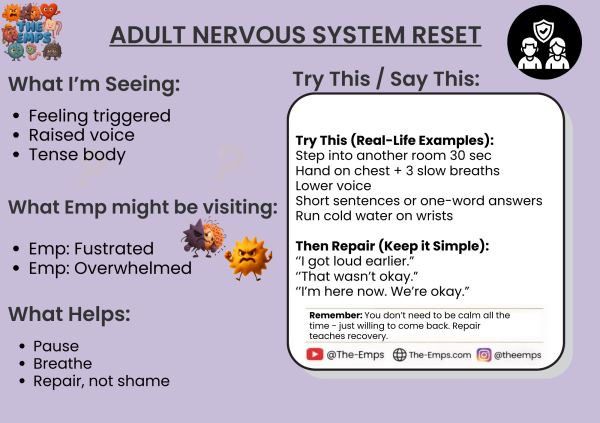
Anger is a healthy reaction to unfair situations or when we are upset. Children may find it difficult to manage their anger, which is normal. |
https://www.youngminds.org.uk/parent/parents-a-z-mental-health-guide/anger/ |
|
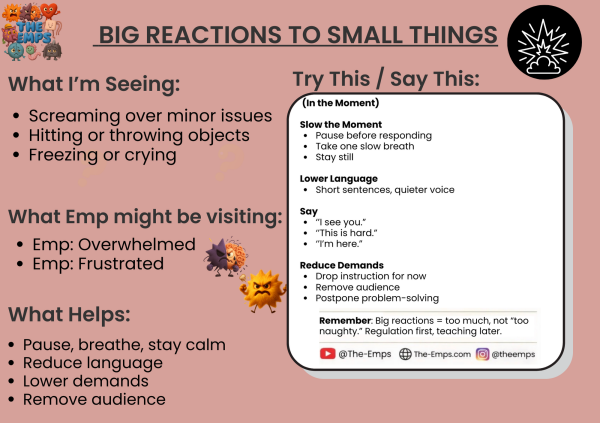
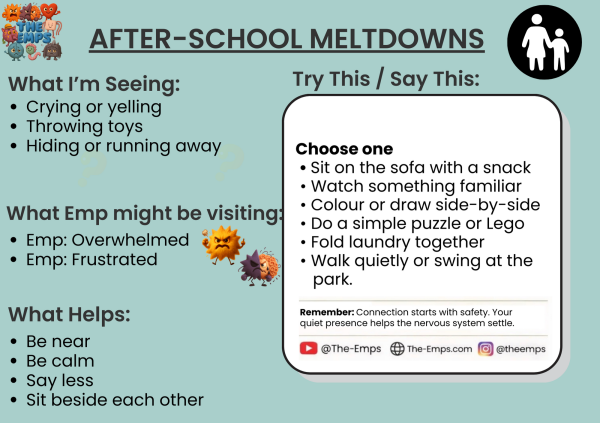
Challenging Behaviour |
Children sometimes test boundaries or behave differently when tired, ill, or stressed. This is normal, but support strategies can help manage difficult behaviour. |
https://www.youngminds.org.uk/parent/parents-a-z-mental-health-guide/challenging-behaviour/ |
|
Divorce & Separation |
Every child responds differently to family break-ups. They may feel grief, sadness, anger, or anxiety. Support from adults and school can help children cope. |
https://www.youngminds.org.uk/parent/parents-a-z-mental-health-guide/divorce/ |
|
Eating Problems |
Children’s attitudes to food can vary for many reasons, including stress, peer pressure, or body image concerns. Problems arise when food becomes a coping mechanism. |
https://www.youngminds.org.uk/parent/parents-a-z-mental-health-guide/eating-problems/ |
|
Gaming |
Gaming can be positive, but excessive gaming or stress around it may need support. Strategies are available to help find a healthy balance. |
https://www.youngminds.org.uk/parent/parents-a-z-mental-health-guide/gaming/ |
|
Grief & Loss |
Children may grieve differently depending on the type of loss. School and parents can support children through bereavement, pet loss, or other forms of loss. |
https://www.youngminds.org.uk/parent/parents-a-z-mental-health-guide/grief-and-loss/ |
|
Parental Mental Illness |
If a parent experiences mental health difficulties, children may be affected. Support from family, school, and professionals is important. |
https://www.youngminds.org.uk/parent/parents-a-z-mental-health-guide/parental-mental-illness/ |
|
School Anxiety |
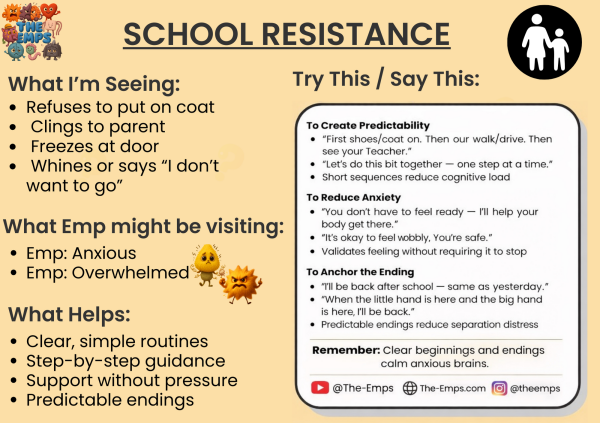
Some children struggle with school anxiety or refusal. This can be stressful for families. Support and strategies can help both children and parents. |
https://www.youngminds.org.uk/parent/parents-a-z-mental-health-guide/school-anxiety-and-refusal/ |
|
Self Esteem |
Self-esteem is how children feel about themselves. It can fluctuate during life changes, challenges, or social pressures. Support helps them build confidence. |
https://www.youngminds.org.uk/parent/parents-a-z-mental-health-guide/self-esteem/ |
|
Self-Harm |
Self-harm is when someone hurts themselves to cope with overwhelming feelings. Support is available for children and families. |
https://www.youngminds.org.uk/parent/parents-a-z-mental-health-guide/self-harm/ |
|
Sleeping |
Discover the importance of a good night’s sleep. |
|
|
Social media |
Social media can impact mental health. Parents can support children by setting boundaries and having open conversations. |
https://www.youngminds.org.uk/parent/parents-a-z-mental-health-guide/social-media/ |
|
Suicidal Thoughts |
Suicidal thoughts are serious and need prompt support. Children can recover with the right help. |
https://www.youngminds.org.uk/parent/parents-a-z-mental-health-guide/suicidal-thoughts/ |
|
Transitions & Change |
Changes like moving class, school, or home can be stressful. Children may need extra support to adjust. |
What is Mental Health?
Mental health is about how we think, feel, and behave in everyday life. It affects everyone, including children. Sometimes children may experience mental health issues, which can include problems, conditions, or illnesses. These may or may not have a formal diagnosis.
Signs Your Child May Need Support
Look out for:
-
Sudden mood or behaviour changes
-
Self-harming
-
Unexplained weight changes
-
Drop in school performance
-
Sleep problems
-
Withdrawal from friends or family
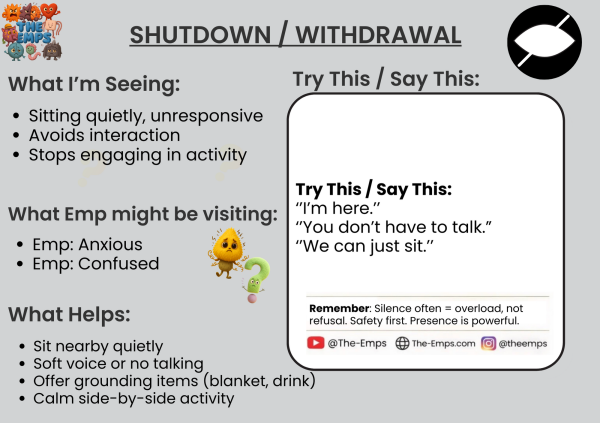
Notice the signs but don’t try to diagnose your child yourself. Recognising struggles is the first step; support comes next.
Who Can I Talk To?
Here at Burston our staff are always happy to chat with parents about any concerns including mental health.
If you want professional support, YoungMinds is a UK charity that helps young people, parents, carers, and schools. They provide advice, tips, and support via their helpline, web chat, or email.
Remember: If you are worried about your child’s mental health, reach out to school staff or a trusted professional. Support is available, and you are not alone.
|
Resource |
Link |
Description |
Impact / Benefit |
|
Times Table Rock Stars |
Popular platform for practising times tables. |
Improves recall, fluency, and number confidence. |
|
|
My Mini Maths |
Short daily maths practice and revision activities. |
Strengthens core maths skills. |
|
|
Phonics Play |
Interactive phonics games and resources. |
Supports early reading and phonics skills. |
|
|
Go Noodle |
Movement, mindfulness, and educational videos. |
Encourages physical activity and wellbeing. |
|
|
Hour of Code |
Free coding tutorials and games. |
Introduces problem-solving, logic, and programming. |
|
|
Oxford Owl – Online Books |
https://www.oxfordowl.co.uk/for-home/find-a-book/library-page |
Free eBooks and reading resources. |
Provides levelled reading practice. |
|
Free Audible Audio Books |
Free children’s audiobooks. |
Builds listening skills and love of stories. |
|
|
Storyline Online |
Celebrities reading children’s books. |
Boosts comprehension and engagement. |
|
|
Magic Blox |
https://www.oxfordowl.co.uk/for-home/find-a-book/library-page |
Digital children’s book library. |
Provides wide range of reading materials. |
|
Literacy Trust – Family Zone |
Free literacy and activity resources. |
Helps families support literacy at home. |
|
|
Top Marks Education |
Thousands of teaching + interactive resources. |
Supports learning, homework, and revision. |
|
|
BBC Learning / Bitesize |
Large archive of educational resources. |
Helps with revision and curriculum topics. |
|
|
Oxford Owl for Home |
Free resources for primary pupils. |
Supports home learning in reading/maths. |
|
|
Blockly Games |
Visual coding games for beginners. |
Teaches sequencing and problem-solving. |
|
|
Scratch |
Creative coding platform. |
Develops computational thinking and creativity. |
|
|
TED-Ed |
Engaging educational videos. |
Builds curiosity and supports understanding. |
|
|
National Geographic Kids |
Facts, quizzes, and activities. |
Supports science and geography learning. |
|
|
Duolingo |
Free language-learning website/app. |
Builds vocabulary and language confidence. |
|
|
Mystery Science |
Free simple science lessons. |
Encourages enquiry and hands-on science. |
|
|
The Kids Should See This |
Educational videos |
Inspires curiosity and independent learning. |
|
|
CBeebies Radio |
Audio stories and activities. |
Builds listening skills and imagination. |
|
|
Nature Detectives |
Nature-based activities and challenges. |
Encourages outdoor learning and STEM skills. |
|
|
Red Ted Art |
Arts and crafts ideas. |
Develops creativity and fine motor skills. |
|
|
DK Find Out |
Facts, quizzes, and interactive content. |
Supports broad knowledge across subjects. |
|
|
ICT Games |
Fun English and maths games. |
Reinforces core literacy and numeracy skills. |
Supporting Your Child’s Emotional Wellbeing
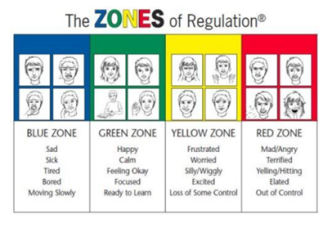
At Burston Primary School, we believe that children learn best when they feel calm, safe and ready. That’s why we use the Zones of Regulation across the whole school, including Reception.
The Zones of Regulation is a simple way to help children understand their feelings and manage them. This is sometimes called self-regulation – being able to stay in control of emotions and behaviour.
What are the Zones?
There are four coloured Zones that help children recognise how they are feeling:
🔵 Blue Zone – feeling sad, tired, unwell or low
🟢 Green Zone – feeling calm, happy, focused and ready to learn
🟡 Yellow Zone – feeling worried, excited, frustrated or restless
🔴 Red Zone – feeling angry, overwhelmed or out of control
Children learn that all feelings are normal, but some need support to help us get back to the Green Zone so we can learn.
How we use this in school
-
Every classroom has a Zones chart
-
Children can show how they are feeling throughout the day
-
Adults check in and support children when needed
-
Children learn strategies to help themselves feel calm and ready
What children learn
-
Using the Zones of Regulation helps children to:
-
Recognise and talk about their feelings
-
Understand how others may be feeling
-
Learn what might trigger different emotions
-
Develop coping strategies (their own “toolkit”)
-
Build resilience and problem-solving skills
Helping at home
You can support your child by:
-
Talking about feelings using the same Zone colours
-
Staying calm and modelling how to manage emotions
-
Keeping routines consistent
-
Listening and acknowledging how your child feels
-
Helping your child recognise their triggers
-
Encouraging calming strategies (e.g. quiet time, deep breathing, breaks)
-
Praising your child when they manage their emotions well
Working together
By using the same language at school and at home, we can help children build lifelong skills to manage emotions, reduce anxiety and feel confident in themselves.